
Discover how consistent walking and gentle activity keep your joints flexible and support long-term mobility.
Start Your Journey
Walking is one of the most effective ways to support joint health. This simple activity encourages proper joint function by promoting circulation and maintaining the flexibility of surrounding tissues.
Every step you take helps distribute synovial fluid throughout your joints, delivering nutrients to cartilage and keeping joint surfaces smooth. Regular walking also strengthens the muscles that protect and stabilize your joints.
Walking develops the leg muscles that act as natural shock absorbers, reducing direct stress on knee and hip joints during everyday activities.
Movement helps circulate fluid that carries nutrients to cartilage, supporting the health of these cushioning tissues that enable smooth joint motion.
Regular walking keeps ligaments and tendons supple, preserving your ability to move comfortably through a full range of motion.
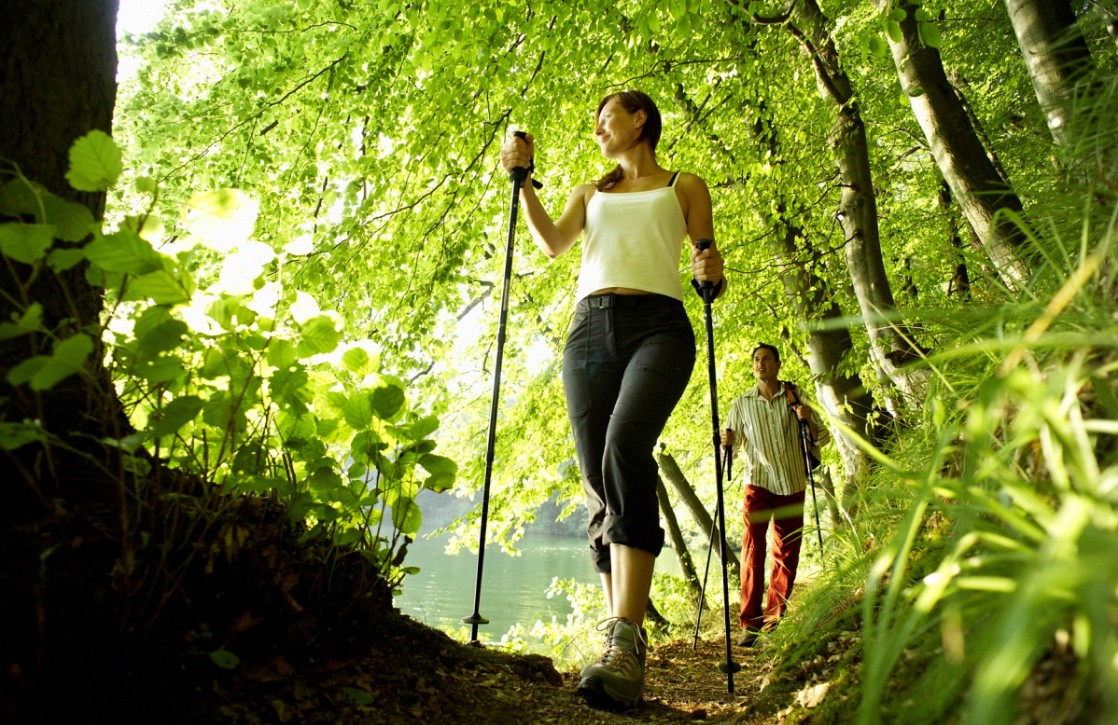
Walking strengthens quadriceps, hamstrings, and calf muscles that provide critical support to your knee joints, helping distribute weight more effectively and reducing strain on joint structures.
Each walking step stimulates the movement of synovial fluid, which lubricates joint surfaces and transports vital nutrients to cartilage while removing metabolic waste products.
Walking enhances circulation throughout your body, bringing more oxygen and nutrients to joint tissues and supporting the natural repair and maintenance processes.
Consistent walking helps maintain the elasticity of connective tissues around joints, preventing stiffness and supporting the freedom of movement you need for daily activities.
These approaches help you get the most benefit from walking while protecting your joints. Choose methods that suit your current fitness level and gradually progress.
Alternate between comfortable and slightly brisker paces. This variation helps build endurance while giving joints different types of movement stimulation throughout your walk.
Gentle morning walks help reduce stiffness after sleep. Start slowly to allow your joints to warm up, then gradually increase your pace as movement becomes more comfortable.
Using walking poles engages upper body muscles while reducing load on lower joints. This technique provides a full-body workout with enhanced joint protection.
Walking on softer natural surfaces like grass or dirt trails reduces impact compared to pavement. Choose well-maintained paths with even terrain to maintain safety.
Indoor treadmills offer controlled, cushioned surfaces ideal for regular walking routines. You can easily adjust speed and duration based on how your joints feel each day.
Short walks after meals provide gentle joint movement while aiding digestion. These brief sessions help maintain joint mobility without requiring extended time commitments.
While walking offers tremendous benefits, proper technique and preparation help maximize these advantages while minimizing any risk of discomfort or strain.
Wear supportive footwear designed for walking. Proper shoes provide cushioning and stability that protect your joints during activity. Replace worn shoes regularly to maintain this protection.
Start each walk with a gentle warm-up and end with light stretching. If you experience persistent discomfort or have been diagnosed with joint conditions, consult a healthcare provider for personalized guidance on building a walking routine that suits your individual needs.
"I began walking 15 minutes daily and gradually increased to 30 minutes. My knees feel more stable, and I've regained confidence in my movement."
— Deepa M., Jaipur
"Using walking poles was a game-changer. It takes pressure off my hips while still giving me excellent exercise and helping maintain my joint flexibility."
— Aditya P., Hyderabad
"Morning walks have become my favorite part of the day. The gentle movement reduces my joint stiffness and helps me feel more energized throughout the day."
— Shalini T., Mumbai
"I walk on the treadmill when weather doesn't cooperate. The cushioned surface is comfortable for my joints, and I can maintain my routine year-round."
— Vikram G., Bangalore
Email:
hello (at) mibitepi.com
Address:
53, Nehru Place, New Delhi 110019, Delhi, India
Phone:
+91 11 2963 5184
Walk at a pace where you can still hold a conversation comfortably. This moderate intensity provides excellent joint benefits without excessive stress. You should feel like you're working but not straining.
Yes, softer surfaces like grass, dirt trails, or cushioned tracks are gentler on joints than concrete. However, even pavement can work well with proper footwear. Choose smooth, level surfaces to reduce trip hazards.
Extreme heat, cold, or slippery conditions can pose risks. Consider indoor alternatives like mall walking or treadmills during challenging weather. Consistent walking matters more than outdoor location.
When your current routine feels comfortable and you're not experiencing increased discomfort afterward, you can gradually add 5 minutes to your walks. Progress slowly and listen to your body's signals.
Absolutely. Pairing walking with stretching, water exercises, or gentle strength training provides comprehensive joint support. Different activities complement each other and work various aspects of joint health.